Garage Door Weather Seal Replacement and Repair in Los Angeles
What a Garage Door Weather Seal Does
A garage door weather seal closes the space between an overhead garage door and the garage floor or surrounding frame. It helps prevent air leaks, dust and debris, rainwater, insects, and small pests while increasing comfort and energy efficiency inside the garage.
The primary component is the bottom seal, also called a garage door bottom seal. This flexible strip attaches to the lower edge of the door and compresses against the floor when the door closes. A properly fitted seal should create reliable contact without preventing the overhead garage door from closing smoothly.
A garage door threshold serves a connected but separate purpose. It is a raised rubber or vinyl strip installed on the garage floor beneath the door. The bottom seal connects to the door, while the threshold remains fixed to the floor. Some garages need only a bottom seal; others work better with a seal and threshold combination, especially where the garage floor is uneven or slopes toward the driveway.
In Los Angeles, seal performance matters throughout the year. Strong sun and dry heat can stiffen, shrink, and crack vinyl or rubber materials. A damaged seal allows outside temperatures, smoke, dust, and moisture into the garage and can contribute to water damage around stored belongings, drywall, and the lower portion of a garage door panel.
Indicators Your Garage Door Seal Needs Replacement
The clearest warning sign is a visible gap beneath the shut door. Inspect the entire width for open spaces, daylight, curling edges, fragile sections, or areas where the seal fails to contact the floor. A seal that looks squashed or permanently compressed may also have become unable to block air and water.
- Water entry: Puddles, damp concrete, staining, or water trails beneath the door may indicate a failed seal, an improperly installed garage door threshold, or poor exterior drainage.
- Air infiltration: Hot outdoor air entering during Los Angeles summers can make the garage harder to use comfortably and lower energy efficiency if the garage shares walls with living areas.
- Pest control concerns: Small openings can allow insects, rodents, and other pests to enter. A new seal helps prevent pests but will not correct larger gaps around walls, corners, or the garage door frame.
- Visible door damage: A warped garage door panel, bent lower section, or damaged retainer can keep a new seal from making consistent contact.
- Sound and movement: Excessive shaking, scraping, or uneven closing may indicate door alignment, track and rollers, cable, or opener problems rather than a seal alone.
Position a bright light inside the garage and examine the closed door from outside, or look for daylight from inside at night. Also examine the bottom corners, where seals commonly crack first. If the floor is uneven, check the gap at several points instead of assuming one replacement size will work across the opening.
How to Replace an Overhead-Style Garage Door Weatherstrip
Replacing an overhead garage door weather seal is often a straightforward maintenance task when the door is structurally sound and the existing seal slides into an accessible retainer track. The correct replacement depends on the retainer design, door width, seal profile, and floor conditions.
Some retainers use a channel that accepts a T-style or bulb-style seal. Others are fastened directly to the bottom of the door and require screws or specialized retainers. Do not assume every vinyl seal is interchangeable. Comparing the old profile with the new product before removing anything can avoid an unnecessary service call.
Weatherstripping replacement should be part of routine garage door maintenance, particularly after periods of intense sun, unusual rain, or driveway construction. However, a seal should not be used to hide a damaged door, broken hardware, or a door that is no longer level.
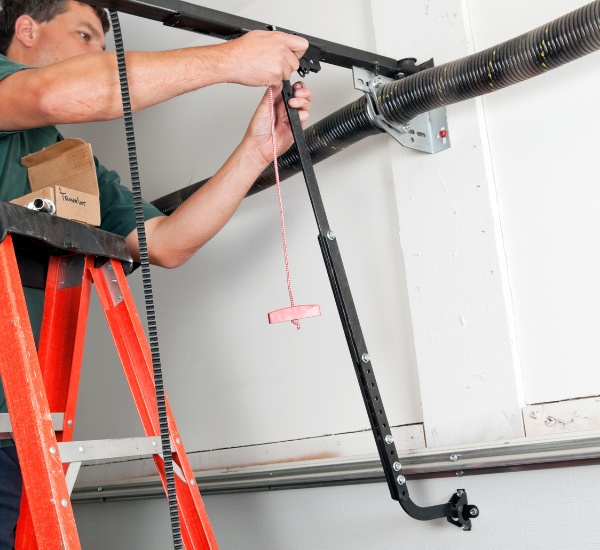
Required Tools and Materials for the Repair
Standard tools and materials include:
- A correctly sized replacement seal designed for the existing retainer track
- A utility knife or heavy-duty scissors for trimming the material
- A measuring tape for determining door width and checking floor gaps
- Safety gloves and safety glasses
- A screwdriver, nut driver, or socket set if the retainer is fastened with hardware
- Mild cleaner and a cloth for removing dust and debris
- Silicone lubricant for helping a new seal slide through a compatible track
A rubber gasket or vinyl seal should be flexible, appropriately sized, and rated for outdoor exposure. Avoid petroleum-based products, which can degrade some rubber materials. Silicone lubricant may make installation easier, but it should be applied sparingly and only after confirming that the product is suitable for the seal.
Step-by-Step Seal Replacement Process
- Disconnect the opener: Close the door fully and disconnect the garage door opener from power. If the door is difficult to move manually or does not stay in place, stop and arrange a professional inspection.
- Measure the doorway: Record the width of the door and examine the garage floor at several locations. Check whether the existing retainer is straight, secure, and free from corrosion.
- Remove the old seal: Depending on the design, pull the old garage door bottom seal from the retainer or remove the fasteners holding it in place. Do not force a stuck seal if the track is bending or separating from the door.
- Clean and examine: Remove accumulated dirt and check the lower edge of the garage door panel. A damaged retainer, rusted fastener, or split panel may need repair before seal installation.
- Get the new seal ready: Lay the new seal flat in a warm area if it arrived rolled. Cut it slightly longer than the opening so the ends can be trimmed accurately after installation.
- Install the seal: Feed the seal through the retainer track, using a small amount of silicone lubricant if appropriate. Keep the material centered and avoid twisting it.
- Neatly trim the edges: Once the seal is fully installed, trim the ends neatly. The seal should extend across the opening without bunching at either corner.
- Operate the door for testing: Reconnect the opener and operate the door several times. Confirm that the seal contacts the floor evenly, the door alignment remains correct, and the opener does not reverse or strain.
Watch the door during the test. If one side touches first, the door may be out of alignment, the garage floor may be uneven, or the retainer may be bent. Do not adjust torsion springs, cables, or other counterbalance hardware as part of a basic seal replacement. Those components are under significant tension.
When to Hire Garage Door Repair Near Me in Los Angeles
Seeking garage door repair near me in Los Angeles is appropriate when the seal problem is linked to a broader safety or operating issue. A qualified garage door technician can assess the opening, inspect the retainer and door structure, and determine whether replacement alone will fix the problem.
Call for professional garage door repair if the door is crooked, drops rapidly, sticks in the tracks, makes grinding sounds, or will not stay open manually. These symptoms can involve the track and rollers, cables, hinges, counterbalance system, or a broken garage door panel.
A failing garage door opener may also be misidentified as a seal issue. If the opener has difficulty, stops before reaching the floor, reverses unexpectedly, or makes unusual noises, the door should be checked before changing opener settings. Excessive resistance from a improperly aligned door can harm the opener.
Homeowners searching for garage door spring replacement near me should never undertake replacement of a torsion spring without appropriate training and equipment. A broken garage door spring can leave the door very heavy and unsafe. Keep people away from the opening and contact a professional for spring assessment and replacement.
Garage door repair Pricing and Replacement Costs
The garage door repair cost for bottom seal replacement is determined by the seal profile, door width, retainer condition, access, and whether the technician must adjust alignment or drainage. A simple seal-only job is usually more affordable than repairs involving panels, springs, tracks, or an opener. Local garage door repair pricing can also change across Los Angeles neighborhoods and service companies.
For an accurate quote, a technician should evaluate the door rather than price the job from a short description. Los Angeles homes vary widely in age, garage-floor slope, opening dimensions, door style, and previous repairs. The opening should be measured and the retainer inspected before replacement work is estimated.
Other factors that may appear in an estimate include removal of an obsolete retainer, replacement fasteners, a garage door threshold, panel repair, emergency service, or disposal of old material. Ask whether labor, materials, travel, testing, and any follow-up adjustments are part of the price.
The garage door replacement cost is substantially higher when the entire door is damaged, poorly insulated, or beyond economical repair. A new door may enhance appearance, security, insulation, and operation, but a worn bottom seal alone does not justify full replacement.
How Seal Replacement Compares With Other Garage Door Repairs
A seal replacement is generally a minor repair. Replacing a damaged garage door panel costs more because the technician must match the section, remove hardware, and restore balance and alignment. If several panels are damaged or the door is obsolete, replacement may be the better option.
Garage door spring replacement is a specialized repair involving a torsion spring or extension spring and requires proper safety measures. The final garage door spring cost depends on spring type, door weight, cycle rating, access, and whether related hardware is worn.
The cost of installing a garage door opener includes the opener, rail or drive system, installation labor, programming, and safety testing. It is unrelated to ordinary weatherstripping unless the opener has been affected by a door that is binding or out of balance.
Likewise, the 2 car garage door replacement cost, also described as the two car garage door replacement cost, depends on material, insulation, windows, design, hardware, and installation. Replacing a seal is usually a more economical way to address drafts and water entry when the door itself remains sound.
Selecting the Best Weather Seal for Your Garage
Select a seal based on the retainer, climate exposure, door weight, and condition of the garage floor. EPDM rubber is appreciated for its flexibility and resistance to sunlight, ozone, and temperature changes. It can be a practical option for garages exposed to intense Los Angeles sun.
A vinyl garage door seal is popular and economical, but quality and flexibility vary. In the Southern California climate, low-quality vinyl may become stiff, shrink, or crack sooner when exposed to repeated heat and ultraviolet light. A professional can evaluate profiles and recommend a compatible replacement seal rather than selecting material by appearance alone.
An insulated garage door may benefit from a more long-lasting bottom seal and side weatherstripping because temperature control depends on minimizing gaps around the entire opening. For a two car garage door, verify the exact width and inspect the center area carefully; a long seal can be difficult to install evenly if the retainer is bent or loose.
Where the floor is uneven, a flexible bulb-style seal or a properly fitted garage door threshold may produce better contact than a thin flat strip. The threshold must be installed so it guides water away without interfering with the door’s closing force or safety reversal system.
L.A. Garage Door Seal Concerns and Local Conditions
Across Los Angeles County, the Southern California climate produces distinct seal problems. Dry conditions and powerful year-round sunshine can stiffen, shrink, and damage vinyl or rubber seals. In inland communities, repeated heat exposure may be the main cause of deterioration, while coastal conditions add other challenges.
Coastal areas such as Santa Monica, Long Beach, and Malibu may experience salt air and moisture that accelerate coastal corrosion on metal retainers, fasteners, tracks, and other hardware. Corroded components can prevent a new seal from sliding into place or holding its position. Cleaning alone may not repair a retainer that has lost structural integrity.
Los Angeles County also receives occasional winter rain, and surface drainage can vary considerably between properties. A driveway that slopes toward the garage, blocked drains, or settled concrete can allow water to enter beneath a door even after a new seal is installed. In these cases, check the garage door threshold, driveway edge, floor slope, and surrounding drainage.
Wildfire smoke and airborne dust can enter through small openings, creating odor and residue inside the garage. A sound seal helps maintain cleaner storage conditions, although it cannot make the garage smoke-proof. If air quality is a concern, pair seal repair with appropriate ventilation and filtration practices.
Because Los Angeles neighborhoods contain homes of many ages and construction styles, a technician should not price replacement work based only on a photograph. The opening should be measured, the door style identified, and the retainer inspected before choosing the material and installation method.
EM Garage Doors And Gate Service Inc19629 Cantara St, Reseda, CA 91335
(818) 919-0785
https://emgaragedoorsandgateservice.com/
https://maps.app.goo.gl/XujLWxA4pAQKARQT8
34.2193569, -118.5613022
Garage Door Seal Inspection Checklist
- Seal checking: Check the bottom seal and side weatherstripping every few months for splits, stiffening, shrinkage, rips, or gaps.
- Seal cleaning: Clear away dust and debris from the retainer, floor, and bottom edge of the door so the seal can make even contact.
- Lubrication: Use silicone lubricant only where appropriate, and keep lubricant away from surfaces where it could attract dirt or reduce traction.
- Drainage checks: Check whether water flows toward the garage. Clean drains and address driveway or threshold problems rather than relying on a seal to stop standing water.
- Door operation: Observe door alignment and listen for unusual sounds from the opener, springs, track and rollers, and hinges.
- Safety checks: Test the opener’s photo-eye sensors and automatic reversal according to the manufacturer’s instructions.
- Expert service: Schedule garage door service when the door becomes heavy, uneven, noisy, or difficult to operate.
Routine garage door maintenance extends the useful life of weatherstripping and can uncover a developing problem before it damages the door or opener. Replace the seal when it no longer remains flexible or contacts the floor consistently, rather than waiting for visible water damage.
Frequently Asked Questions
How much does garage door repair cost in Los Angeles?
The garage door repair cost in Los Angeles depends on the work required. Weather seal replacement is generally a smaller repair than panel, spring, track, or opener work, but pricing varies by door width, seal type, retainer condition, access, and labor. Obtain an itemized estimate that identifies materials, installation, inspection, and any alignment or drainage corrections.
How frequently should you replace a garage door weather seal?
A garage door weather seal should be replaced when it becomes brittle, cracked, shrunken, torn, or unable to contact the garage floor evenly. Sun exposure, dry heat, salt air, moisture, and frequent use affect service life, so calendar-based replacement is less reliable than regular inspection. Los Angeles homeowners should check seals several times a year and after periods of intense heat or heavy rain.
Is it possible for me to replace an overhead garage door bottom seal without professional help?
Yes, many homeowners can install a new an overhead garage door bottom seal if the door is balanced, the retainer is easy to reach and in good condition, and the correct seal profile is available. Disconnect the opener, use gloves, measure carefully, and check the door after installation. Do not attempt the work if the door is crooked, heavy, spring-loaded hardware is damaged, or the retainer is badly corroded.
What is the difference between a garage door seal and a garage door threshold?
A garage door seal, usually the bottom seal, fits to the lower edge of the door and travels with it. A garage door threshold is fixed to the garage floor and creates a slightly elevated contact surface beneath the shut door. https://bestgatemaintenancereseda1-101-101-10.overblog.fr/2026/08/why-your-garage-door-closes-and-reopens-troubleshooting-guide.html They may be used individually or together, depending on the floor slope, water exposure, and size of the gap.
When should I call a professional for garage door spring replacement near me?
Call a professional when a garage door spring is broken, overextended, visibly damaged, or unable to support the door. Warning signs include a door that suddenly feels very heavy, will not open manually, or has a visible gap in its torsion spring. Spring replacement involves high-tension components, so do not take out or modify a garage door spring during a seal repair.